Extraction methods, compared.

Six widely used methods, each with a different balance of extract character, equipment and finishing work. Gandalf uses alcohol extraction.

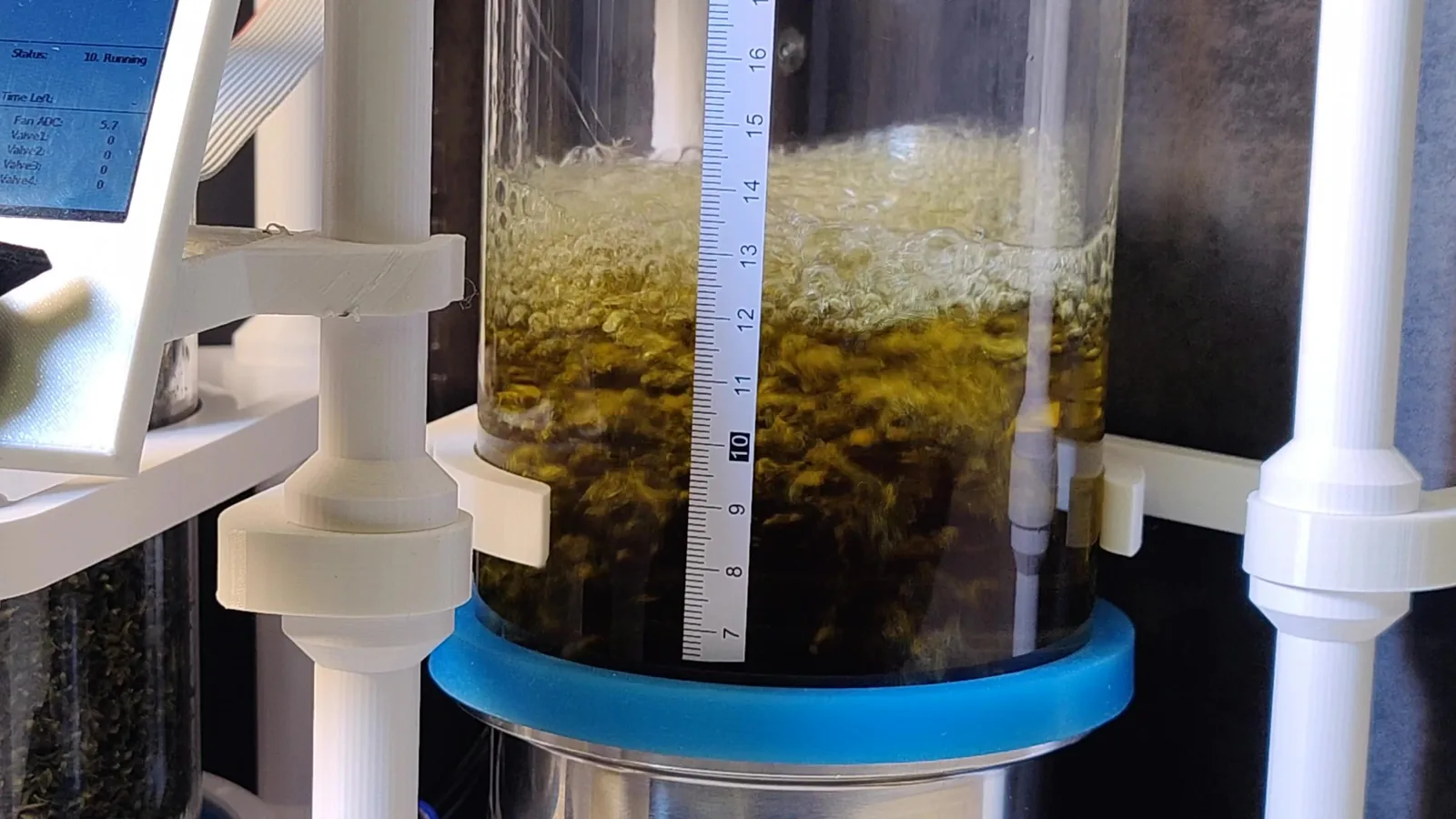
Plant material soaking in IPA inside Gandalf’s glass Extraction Chamber, next to a measuring scale
IPA wash in Gandalf’s Extraction Chamber · Photo: Gandalf

IPA & ethanol Used by Gandalf

Alcohol extraction

Alcohol dissolves resin compounds from the plant, producing an extract that can be concentrated and refined.

Strengths

  • Effective cannabinoid recovery, with flexibility across extract and refinement goals.
  • Can fit compact equipment formats as well as larger production systems.

Trade-offs

  • Can also collect pigments and other unwanted plant compounds; finishing needs depend on the workflow.
  • Solvent recovery, residue testing and flammable-liquid controls are part of the process.

A good fit for: Producers seeking a versatile platform for cannabinoid-rich oils and ingredients.

Gandalf supports 99% IPA of FCC or food-grade quality or better, or 96% undenatured ethanol. We generally recommend IPA. Why we recommend IPA
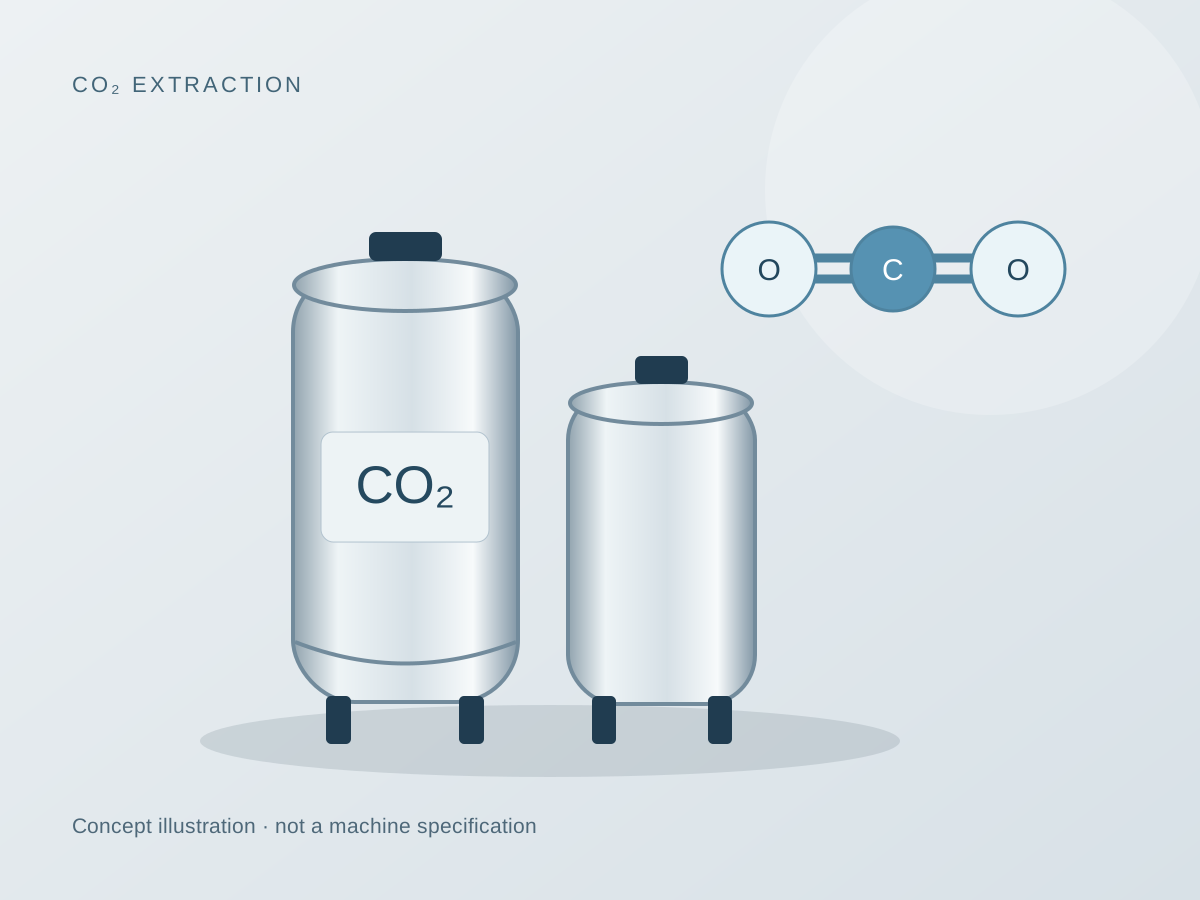
Concept illustration: two abstract steel pressure vessels and a carbon dioxide molecule
CO₂ concept illustration, not a photograph

Supercritical & subcritical

CO₂ extraction

Pressurised carbon dioxide dissolves selected compounds; changes in its solvent strength enable different fractions to be collected.

Strengths

  • Adjustable selectivity for different extract profiles.
  • The primary solvent is non-flammable CO₂ and is readily separated from the extract.

Trade-offs

  • Requires specialist pressure-rated equipment, maintenance and process expertise.
  • Some workflows use a co-solvent or need further refinement.

A good fit for: Producers who value control over extract fractions and can support a more complex pressure-based system.

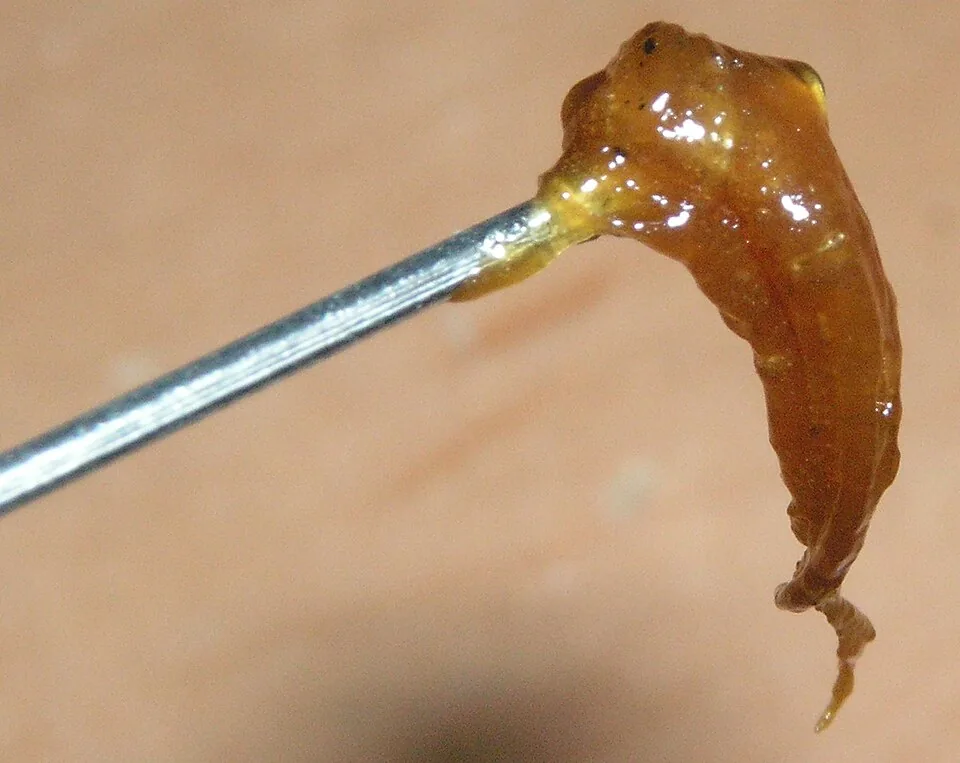
Amber butane extract on a metal tip.
Butane extract · Photo: Coaster420, public domain

Butane & propane

Hydrocarbon extraction

Hydrocarbon solvents dissolve resin compounds and are subsequently separated from the concentrate.

Strengths

  • Well suited to collecting cannabinoids and aromatic compounds.
  • Supports a range of concentrate textures and product styles.

Trade-offs

  • Flammable gases require specialist facilities and engineered controls.
  • Solvent residues and co-extracted waxes still need attention.

A good fit for: Specialist concentrate producers prioritising resin and aroma profiles.

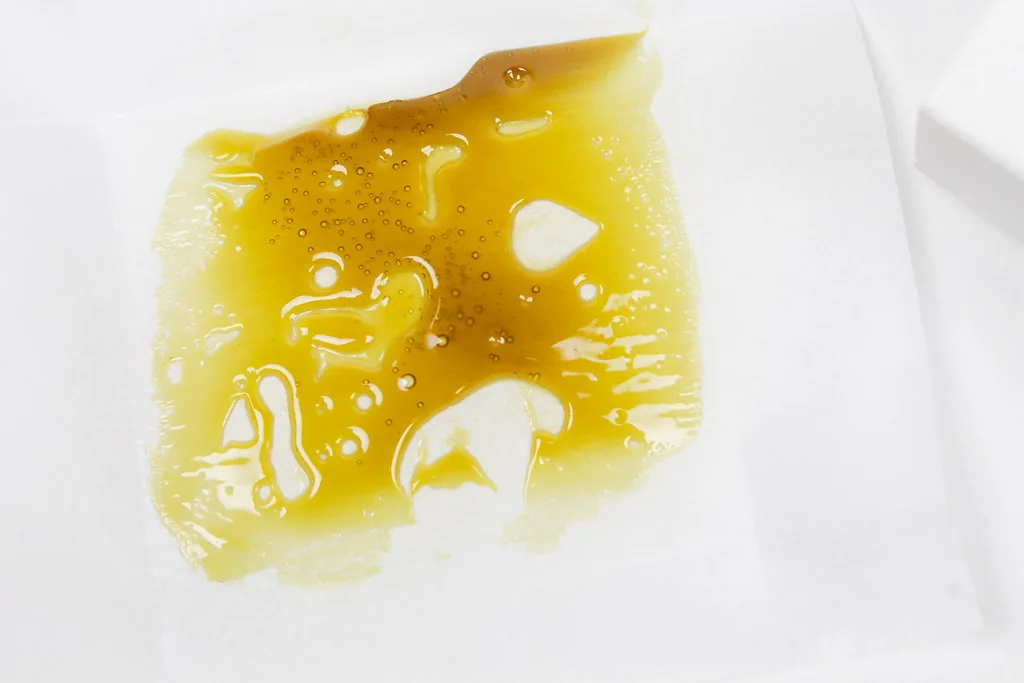
Golden sheet of rosin on pale parchment.
Rosin · Photo: WeedPornDaily.Com, CC BY 2.0

Heat & pressure

Rosin pressing

Heat and pressure separate resin from flower, dry sift or hash.

Strengths

  • No added extraction solvent and no extraction-solvent recovery stage.

Trade-offs

  • Feedstock quality and resin characteristics strongly shape the result.
  • Preparation, pressing capacity and any upstream hash production affect cost and labour.

A good fit for: Craft producers who prioritise a solventless product proposition.

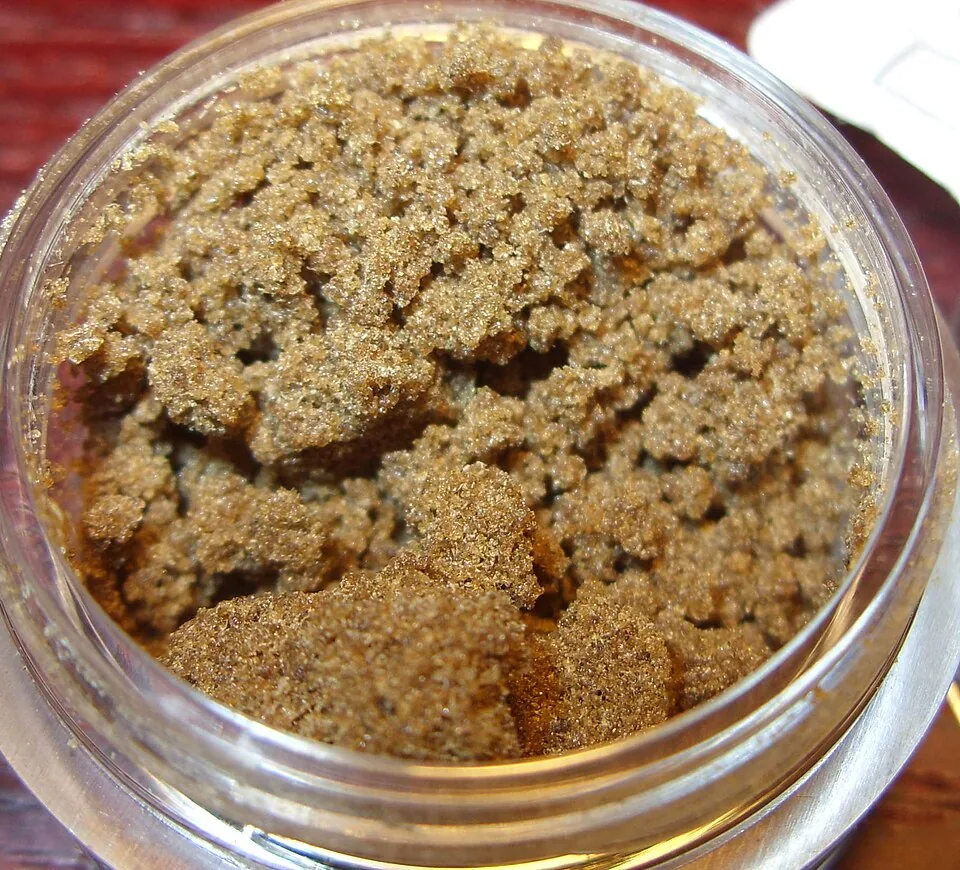
Bubble hash in a clear container.
Bubble hash · Photo: Mjpresson, CC BY-SA 3.0

Bubble hash

Ice-water separation

Water-assisted mechanical separation collects trichomes rather than dissolving their contents in an organic solvent.

Strengths

  • Avoids added organic extraction solvents.
  • Produces hash that can stand alone or become input for hash rosin.

Trade-offs

  • Drying and careful handling add time, equipment and labour.
  • Recovery and grade depend on the plant material and separation quality.

A good fit for: Producers focused on hash and hash-rosin product ranges.

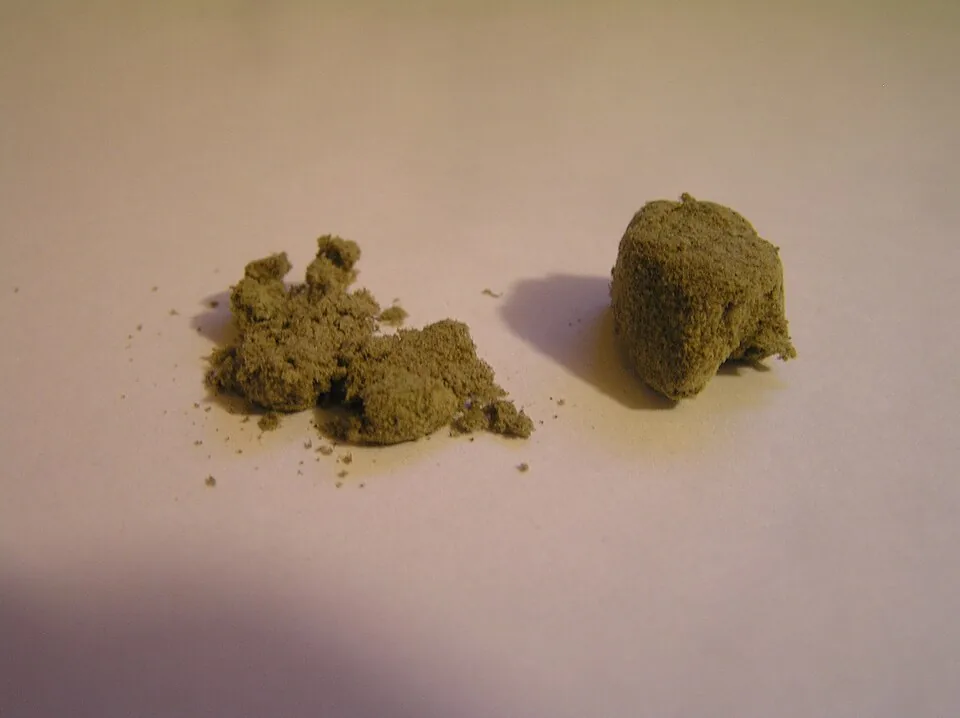
Loose kief and a small clump on a pale surface.
Kief · Photo: Zachary, CC BY-SA 3.0

Mechanical separation

Dry sift

Screens mechanically separate resin-rich trichomes from dried plant material.

Strengths

  • Uses neither added extraction solvent nor a water-washing stage.
  • Offers a straightforward starting point for kief and hash production.

Trade-offs

  • Plant particles can reduce purity; high-grade sift needs further separation.
  • Results vary with material, handling and the quality standard being targeted.

A good fit for: Producers seeking kief, traditional hash or feedstock for further refinement.